Navigating flu season with advice from Dr. Bonnie Offit
Kids are well into the school year, and along with homework, they are bringing home new viruses to share with the rest of the family. It may surprise you to know that more than 200 distinct respiratory viruses are behind what we call colds, coughs, and the flu.
Over the past few decades, we have developed real strategies to prevent three of the most serious ones. The big three are influenza, RSV (respiratory syncytial virus), and COVID-19.
Prevention comes first
Now is the best time to get vaccinated. I recommend a yearly vaccine for the people most vulnerable to complications:
- The young, especially children under 2
- The old, especially adults over 75
- Anyone with an underlying condition that raises their risk, including lung disease, heart disease, diabetes, kidney or liver disease, blood disorders, endocrine disorders, obesity, and pregnancy, as well as people receiving chemotherapy for cancer or taking long-term steroids
Otherwise healthy people between these age groups can benefit from vaccines too.
Of course, vaccines are not 100% effective, and trust in their safety has eroded for some families. If you fall into one of these groups and are on the fence, talk with the healthcare providers you trust most about what is best for you and your family.
Why treatment is not a backup plan
Some people would rather wait and treat an illness once it arrives. Unfortunately, the antiviral medications for these three viruses, such as Tamiflu or Xofluza for influenza and Paxlovid for COVID-19, have been generally disappointing once you test positive. They might help a little if started early in the illness.
Antibiotics such as amoxicillin and Zithromax do not work against viruses at all. They treat bacterial infections, which can develop later as complications, including some ear infections, sinus infections, and pneumonias.
So don’t count on treatments. Prevention is far and away the most effective way to protect yourself and the people you love.
If you do get sick
Some respiratory viruses start with a few days of fever. Most bring some mix of sore throat, congestion, cough, fatigue, chills, and body aches.
Stay home when you have these symptoms. Fever is one of your body’s best ways of fighting off infection, so the goal is comfort rather than bringing the number down. Stay in bed as much as you can, drink warm fluids, and take the smallest amount of fever-reducing medicine you need to manage. Then let the fever and the other symptoms run their course.
Once you or your child has gone a full day with no fever, and without any fever-reducing medicine, it is fine to head back to work or school with tissues in your pocket.
Knowing what to watch for
The hardest part of a respiratory illness at home is often knowing when “ride it out” stops being the right plan. A cough that lingers is usually expected. Trouble breathing, a fever that keeps climbing, or a child who is unusually hard to wake are a different story.
This is where trusted symptom assessment matters most. When you or your child is sick, it has never been easier to find confident-sounding advice online, or harder to know which of it to believe. The guidance worth relying on is the kind that has earned it over time, built on protocols refined across millions of real patient calls and trusted by the nurses and pediatricians who use them every day. Advice like that can walk you through home care, point out which symptoms to watch closely, and tell you when it is time to call or be seen, even at 2am on a Sunday.
A three-step plan for this season
- Prevent with vaccination. It is not 100%, but it is safe and it is the best protection we have. Handwashing and good ventilation help a little, too.
- When you do get sick, rest. Stay in bed for a couple of days, keep fever-reducing medicines like acetaminophen and ibuprofen to a minimum, and drink plenty of fluids. Giving your body room to do its work helps it recover more quickly.
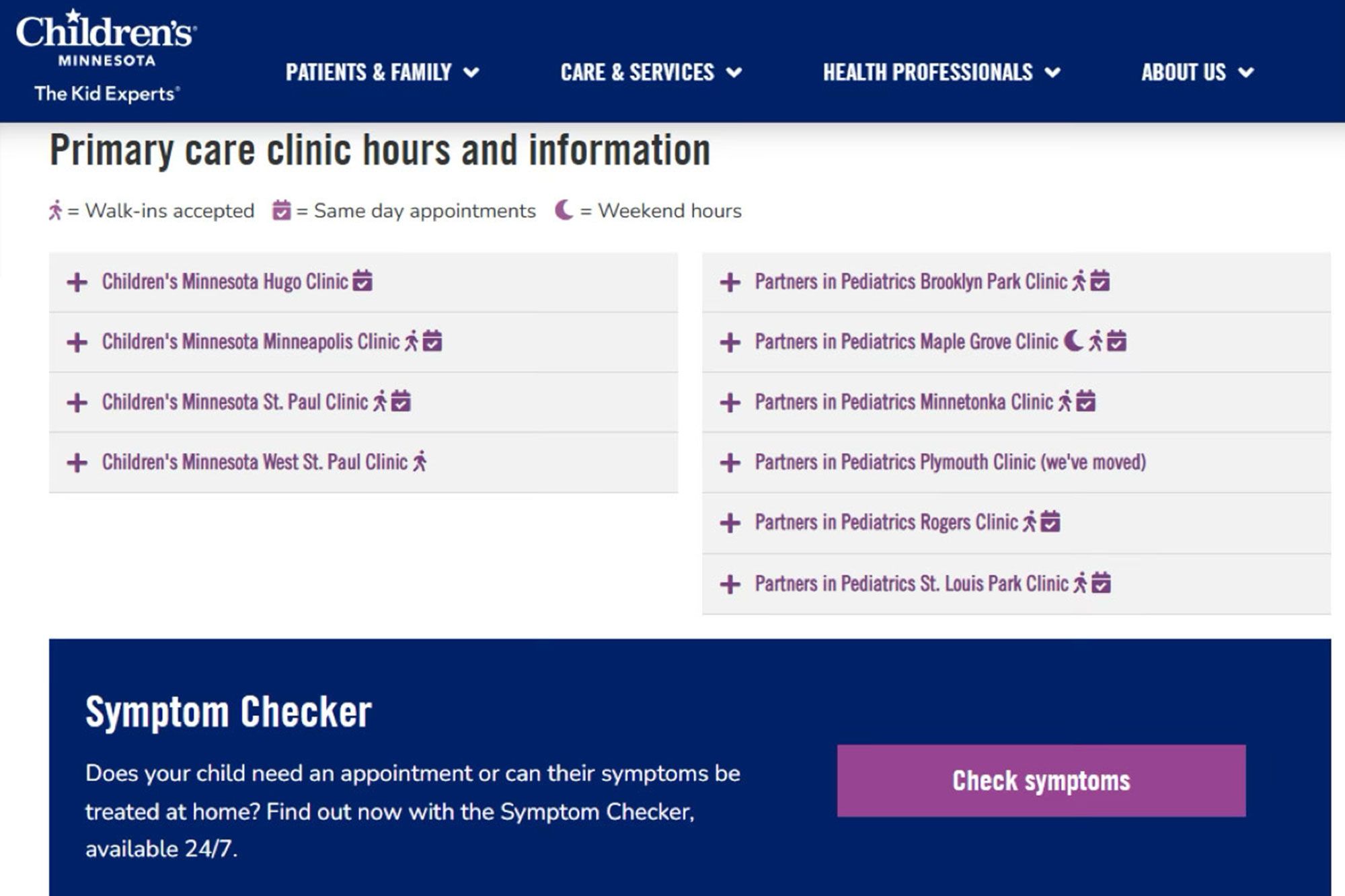
- Not feeling well and unsure what to do. Use the Symptom Checker to help guide your care decisions. Take comfort that you’re using the gold standard when it comes to guiding you to the best level of care advice.